Spider Veins.
Minimally invasive sclerotherapy for the small red, blue, and purple veins on the surface of your legs. Outpatient. Quick sessions. Most patients walk in and walk out.
- 15 to 30minutes per session
- Nogeneral anesthesia
- Outpatientno overnight stay
- Same dayreturn to normal activity
What are spider veins?
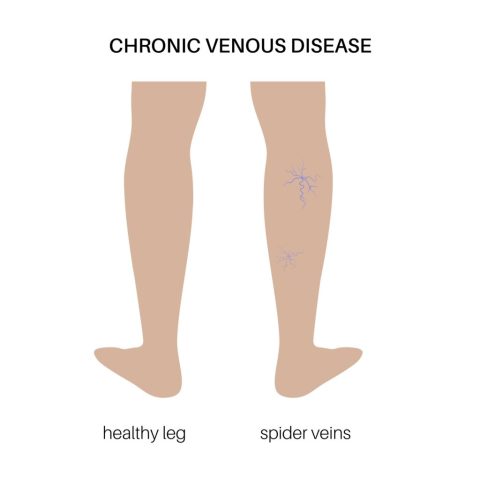
Spider veins are small, damaged veins that can appear on the surface of the legs or face. They may look like red, blue, or purple lines and are often shaped like a spider web or tree branches.
Spider veins, known medically as telangiectasias, are small, dilated blood vessels near the surface of the skin. Unlike varicose veins, which are larger, twisted, and bulging, spider veins are thin and flat, but still very visible.
They typically appear on the legs and ankles, and sometimes on the face. While usually a cosmetic concern, they can occasionally signal underlying venous reflux in the larger veins beneath the skin.
Are spider veins dangerous?
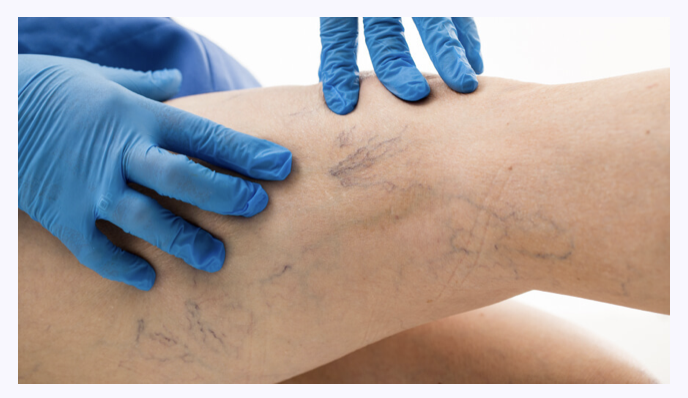
Typically, spider veins are not harmful and are mostly a cosmetic concern. In some cases they can cause mild symptoms. If symptoms become uncomfortable or worsen, it is a good idea to consult a healthcare provider to rule out a deeper venous issue.
- Aching or burning
- Mild swelling
- Itching around the vein
What causes spider veins?
Several factors can weaken the small surface veins or increase pressure on them. Most patients have more than one cause working together over time.
Spider veins develop when the tiny blood vessels near the surface of the skin become damaged or dilated. Pressure, hormones, and genetics are usually the main drivers.
Common contributing factors:
- Genetics. Family history is a strong risk factor.
- Age. Veins can weaken over time.
- Hormonal changes, especially during pregnancy, puberty, or menopause.
- Prolonged standing or sitting, which can increase pressure in the veins.
- Obesity. Extra weight adds pressure on the veins.
- Injury or trauma to the skin.
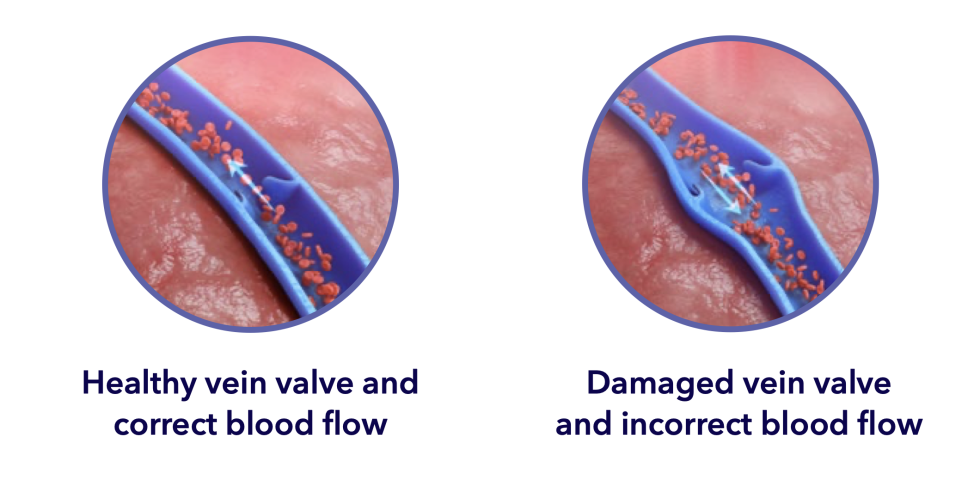
Healthy valve vs damaged valve.
In a healthy vein, valves keep blood moving in one direction. When valves are damaged, blood flows backward and pools, creating spider veins on the surface.
How we treat spider veins.
Sclerotherapy is the gold standard for spider veins. A small needle injects a special solution directly into the vein, irritating the vein lining and causing it to collapse and fade as the body reabsorbs it. When deeper veins are involved, we use ultrasound guidance to target what is happening below the surface.
-
01
Sclerotherapy
A small needle injects a sclerosant directly into the spider vein. The vein collapses and fades as the body reabsorbs it.
-
02
Ultrasound guided sclerotherapy
For spider veins fed by deeper feeder veins, ultrasound guides the injection so we treat the source, not just the surface.
Why choose Advanced Vascular?
- ·
Clearer skin. Visible red, blue, and purple lines fade as the treated veins are reabsorbed by the body.
- ·
Relief from minor symptoms. Less aching, burning, and itching around the affected veins.
- ·
Quick sessions. Most appointments take 15 to 30 minutes and you walk in and walk out.
- ·
No downtime. Most patients return to normal activity the same day.
- ·
Rule out deeper disease. A vein evaluation confirms whether spider veins are isolated or fed by underlying venous reflux.
- ·
Treated by the physician himself. Your consultation, your vein mapping, and your injections are handled by Dr. Satyaki Banerjee, and you can review Dr. Banerjee’s training and certifications before you book.
Frequently asked questions.
If you have a question we did not cover, the team is happy to walk you through it on the phone.
Spider veins are small, thin veins that appear close to the surface of the skin, often looking like red, blue, or purple web like patterns. They commonly appear on the legs and ankles.
Spider veins are usually harmless and painless, but they may cause mild discomfort, itching, or burning. Some patients seek treatment for cosmetic reasons, while others want relief from those symptoms.
Spider veins are smaller, flatter, and often cosmetic. Varicose veins are larger, bulging, and can cause significant discomfort or lead to complications. Spider veins are usually red or blue. Varicose veins are often purple or dark blue. Spider veins are typically not associated with serious health issues, while varicose veins can lead to complications like blood clots or ulcers.
Spider veins are usually diagnosed through a visual examination. If deeper vein problems are suspected, a duplex ultrasound may be recommended to check for valve dysfunction in the larger veins beneath the skin.
Treatments like sclerotherapy cause minimal discomfort. Most patients describe a brief stinging or burning sensation during the procedure.
Spider veins
at Advanced Vascular.
Schedule a consultation with Dr. Banerjee. A focused, honest conversation about your options. No pressure.