
Deep Vein Thrombosis.
A blood clot in a deep leg vein. Often silent, sometimes serious. Diagnosed and treated by Dr. Banerjee with ultrasound guided evaluation and a personalized plan.
- 900,000Americans affected each year
- Often silentno symptoms in many cases
- Treatablewith timely evaluation
- Vein originslinked to venous disease
What is deep vein thrombosis?
DVT develops when a blood clot forms in one of your deep veins. The condition usually starts in your legs and is closely linked to chronic venous insufficiency. Medical researchers estimate that over 900,000 Americans develop DVT each year.
Many people with DVT have no obvious symptoms, which is part of what makes the condition so serious. When warning signs do appear, they often include:
- Swelling in your foot, ankle, or leg
- Cramping in the calf of the affected leg
- Unexplained, severe pain
- A patch of skin that feels warmer than the surrounding area
- Skin over the affected area that looks pale blue or red
DVT is a potentially dangerous health condition. If the clot in your leg breaks loose, it can travel rapidly through your veins into your lungs and cause a pulmonary embolism.
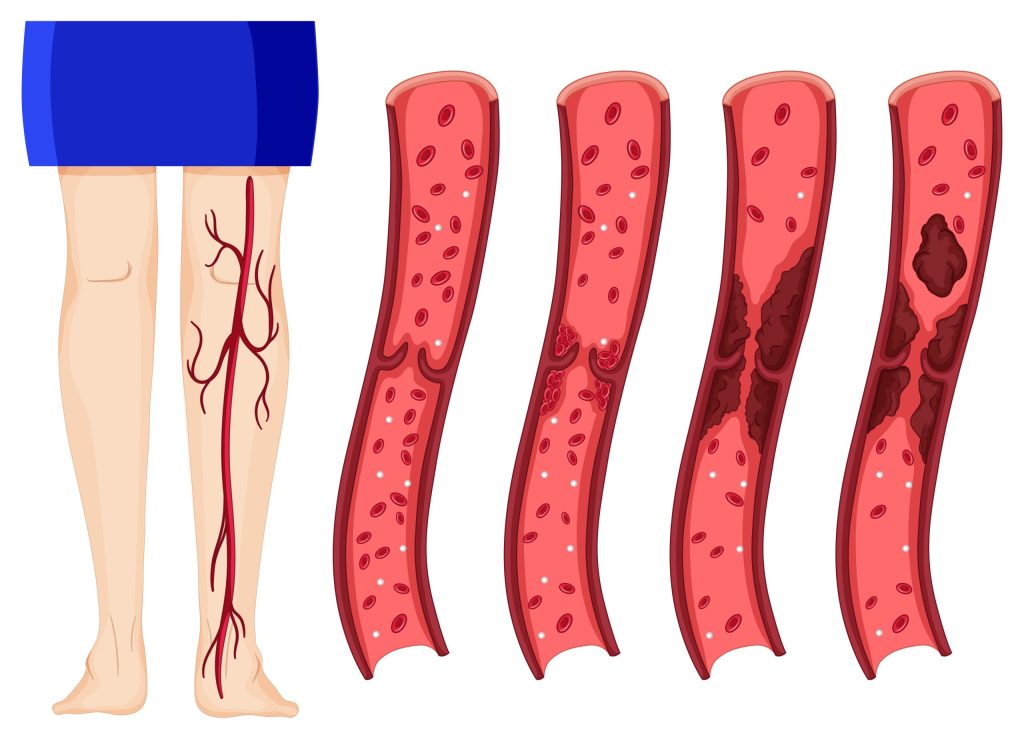
What causes deep vein thrombosis?
Many factors contribute to blood clot formation in the deep veins. Injury, immobility, and untreated venous disease are some of the most common drivers.
A traumatic injury or surgery can damage the walls of your veins. When your veins are narrowed or blocked, circulation slows and your risk of developing blood clots goes up.
Spending most of your time sitting also impedes circulation and raises DVT risk. Similarly, long periods of bed rest after surgery or an injury create an environment where clots form more easily.
When a clot shows up in the left leg, we also look for May Thurner syndrome, a compression of the left iliac vein that makes clotting on that side more likely.
Varicose veins are another warning sign. Left untreated, weakened, swollen veins can extend deeper into the body, eventually reaching your deep veins and creating a place for blood to pool and clot.
Other factors that can increase your risk:
- Recent surgery or hospitalization
- Long periods of immobility, including long flights or car rides
- Pregnancy and the weeks following delivery
- Use of birth control pills or hormone therapy
- Smoking
- Obesity
- Personal or family history of clotting disorders
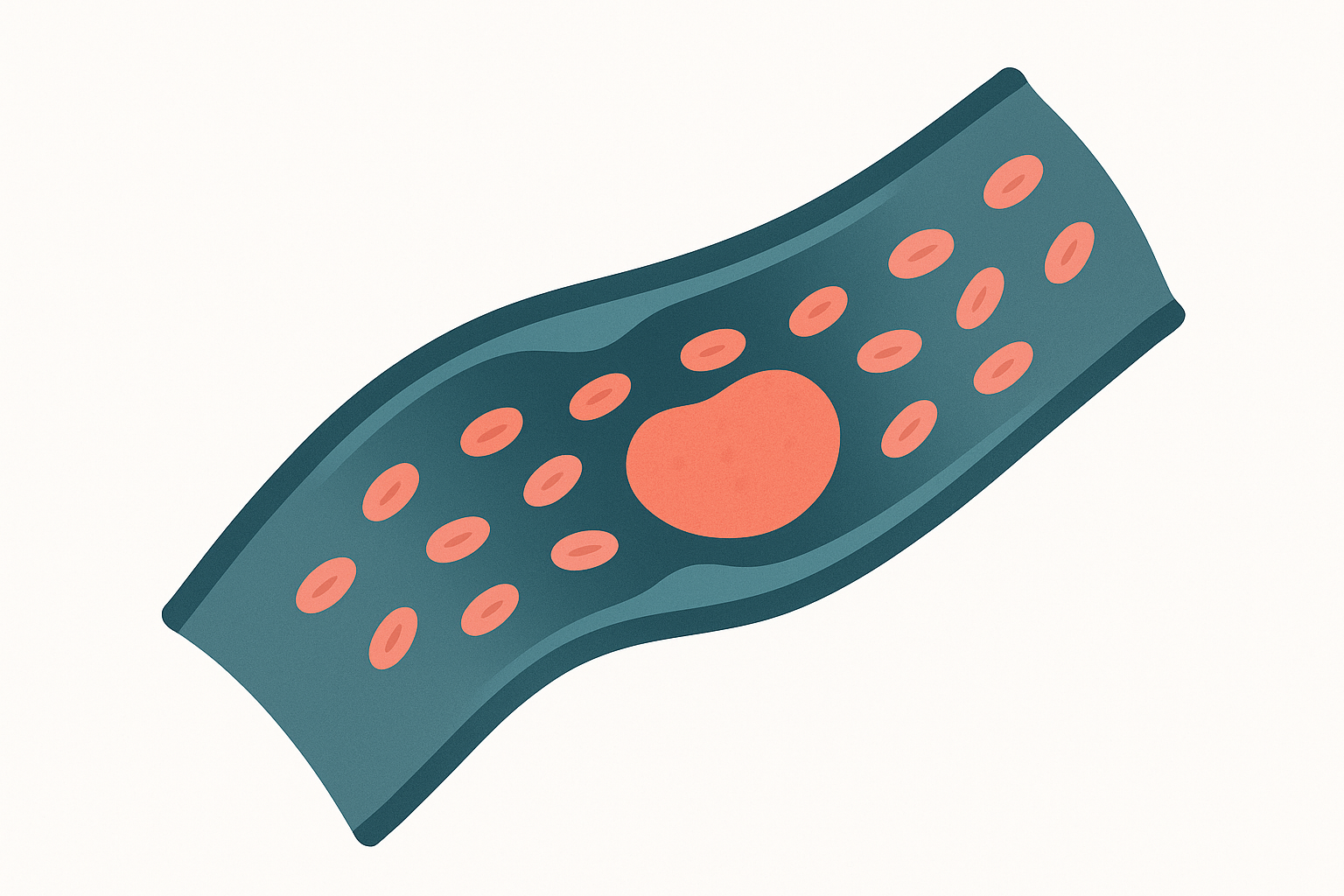
How we evaluate and treat DVT.
Advanced Vascular begins with a comprehensive exam and vascular ultrasound to assess your vein health and locate any clots. From there, Dr. Banerjee builds a personalized treatment plan based on the size, location, and severity of your DVT.
-
01
Ultrasound evaluation
A duplex ultrasound is the standard tool for diagnosing DVT. It is painless, non invasive, and identifies the exact location of any clots in your deep veins.
-
02
Medical management
Most DVT cases are managed with prescription blood thinners to prevent the clot from growing and to lower the risk of new clots forming. Treatment length depends on your individual risk profile.
-
03
Compression therapy
Graduated compression stockings help reduce swelling, improve circulation, and lower the risk of long term complications such as post thrombotic syndrome.
-
04
Treating the underlying vein disease
If venous reflux or varicose veins contributed to your DVT, addressing those underlying problems is part of a long term plan to prevent another clot.
Why choose Advanced Vascular?
- ·
Lower your risk of pulmonary embolism. Identifying a clot early helps prevent it from traveling to your lungs.
- ·
Catch silent cases. Many DVTs cause no obvious symptoms. Ultrasound finds what your body cannot.
- ·
Prevent long term complications. Untreated DVT can lead to chronic leg swelling, pain, and post thrombotic syndrome.
- ·
Address the underlying cause. Treating venous reflux or varicose veins reduces the chance of another clot.
- ·
Personalized care plan. Dr. Banerjee tailors evaluation and treatment to your symptoms, history, and risk level.
- ·
A specialist reads your ultrasound. DVT is time sensitive and the interpretation matters, so meet Dr. Banerjee and see the credentials behind your care.
Frequently asked questions.
If you have a question we did not cover, the team is happy to walk you through it on the phone.
DVT is a blood clot that forms in one of the deep veins, most often in the leg. It can block normal blood flow and, in some cases, break loose and travel to the lungs, where it can cause a serious condition called pulmonary embolism.
Swelling in the foot, ankle, or leg. Cramping in the calf of the affected leg. Unexplained, severe pain. A patch of skin that feels warmer than the area around it. Skin over the affected area that looks pale blue or red. Many people with DVT have no symptoms at all, which is why evaluation matters when risk factors are present.
We start with a physical exam and a review of your symptoms and risk factors. A duplex ultrasound is then used to evaluate blood flow and identify any clots in your deep veins. The ultrasound is painless and non invasive.
Most DVT cases are managed with prescription blood thinners and compression therapy. Dr. Banerjee will recommend a personalized plan based on the size and location of your clot, your overall health, and any underlying vein disease that needs attention.
Staying active, avoiding long periods of immobility, staying hydrated, not smoking, and treating underlying venous disease all help reduce risk. If you have a personal or family history of clotting, speak with a vascular specialist about a prevention plan.
DVT evaluation
at Advanced Vascular.
A focused exam, an ultrasound when needed, and a personalized plan built around your circulation.