Varithena.
Minimally invasive treatment for varicose veins and chronic venous insufficiency. Outpatient. Local anesthesia. Most patients walk in and walk out.
- 30 to 45minutes per session
- Localanesthesia, no general
- Outpatientno overnight stay
- 1 to 2 daystypical recovery
A quick, nearly painless procedure.
Varicose vein treatment that involves injecting a foam that causes veins to close. Minimally invasive. In clinical trials, only 4.0% of patients reported pain at the injection or application site.
There is no need for incisions or stitches, and treatment is usually less than an hour.
Most people only need a single treatment to see results.
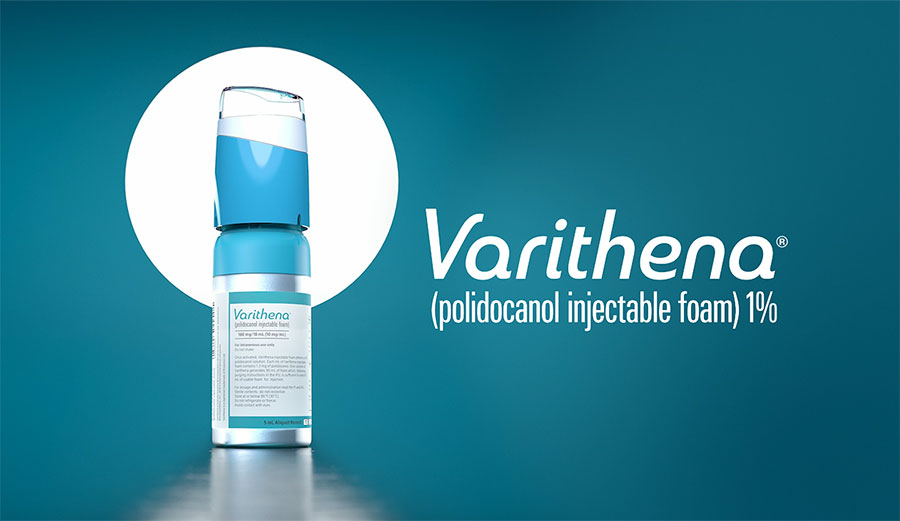
Varithena is a foam sclerotherapy.
Varithena is the brand name for polidocanol endovenous microfoam, an FDA approved form of ultrasound guided foam sclerotherapy. If another clinic in Albuquerque has told you that you need foam sclerotherapy or endovenous chemical ablation, this is the family of treatment being described.
The distinction that matters clinically is not the label, it is the vein. Liquid sclerotherapy suits small surface vessels, which is why it is the usual choice for spider veins. Varithena is formulated as a microfoam so it can fill a much larger vessel and stay in contact with the vein wall, including the great saphenous vein and the accessory saphenous veins that drive most varicose veins.
Advanced Vascular also performs ultrasound guided sclerotherapy with other agents, along with VenaSeal and radiofrequency ablation. Which one is appropriate depends on the size, depth and path of the vein on ultrasound. Varithena is often the better fit for veins that are twisted or that sit in a position where a catheter is difficult to pass.
FDA approved.
During a treatment session, a physician injects the foam inside diseased veins to close them down, allowing blood to flow through other, healthier veins.
What to know before you start.
The most common side effects of Varithena include the following. These are not all of the possible side effects.
- Leg pain or discomfort
- Injection site bruising or pain
- Potentially serious blood clots in the leg veins
A small needle.
A quieter leg.
-
01
Local anesthesia
A small amount of local anesthetic is applied at the injection site. No incisions, no heat.
-
02
Microfoam injected
The microfoam is injected into the problematic vein using a small needle.
-
03
Vein collapses and seals
The foam fills the vein, causing it to collapse and seal shut.
-
04
Body absorbs the closed vein
Over time, the closed vein is absorbed by the body, improving both symptoms and appearance.
What happens before any treatment.
Varithena is planned from a map of how blood is actually moving in your leg, not from how the leg looks from the outside. Two people with similar looking veins can need completely different treatment.
The first appointment is a consultation and a duplex ultrasound reflux study. You are scanned standing, because valve failure often disappears when you lie down. The study measures how long blood flows backward in each vein segment and identifies which vein is the source of the pressure. That map determines whether Varithena, a catheter based treatment, or no procedure at all is the right call.
Dr. Satyaki Banerjee is a board certified interventional nephrologist and an ASDIN certified vascular access specialist. He reviews the study with you the same visit. You leave knowing which veins are involved, whether your symptoms are consistent with chronic venous insufficiency, and what your insurance is likely to require. For a broader look at how the process runs from consultation through follow up, see how vein treatment works.
Bring your insurance card, a list of current medications, and shorts or loose pants. If you have already worn compression stockings, say so and bring the dates. That history matters for authorization.
The first two weeks, in order.
Varithena is an outpatient treatment with no incisions and no stitches, so recovery is measured in days of restriction rather than weeks of downtime. Most patients drive themselves home.
The same day. You walk for roughly 20 to 30 minutes before leaving the office, and again later that day. Walking is not optional after foam treatment. It keeps flow moving through the deep system while the treated vein closes. Compression is applied before you stand up and it stays on.
Days one to three. Most people return to desk work the next day and to normal daily activity within one to two days. Heavy lifting, hard exercise, hot tubs and long stretches of standing still are held for a few days. Long flights are usually deferred, so tell the office if you have travel booked.
Weeks one and two. Compression stockings are worn for one to two weeks depending on your plan of care. A treated vein commonly feels firm or ropey and tender along its path, and bruising over the injection sites is normal. Both settle gradually over several weeks as the body absorbs the closed vein. Visible change is progressive rather than immediate.
A follow up ultrasound is scheduled to confirm the vein has closed and to check the deep veins. Call the office promptly for calf swelling, shortness of breath, chest pain, or pain that is worsening rather than easing, since those can indicate a clot and need to be evaluated the same day.
Five reasons Varithena works.
- ·
FDA approved. Where many other foams are not.
- ·
Minimally invasive. No incisions or stitches.
- ·
Nearly painless. 4.0% pain at the injection site in clinical trials.
- ·
Under an hour. In office, walk in walk out.
- ·
Often a single session. Most people only need one treatment to see results.
What Varithena costs, and who pays.
The most common question at the front desk is not about the foam. It is about the bill. Here is how coverage actually works for vein treatment in New Mexico.
Symptomatic varicose veins are a medical problem, not a cosmetic one. When a duplex ultrasound documents venous reflux and you have symptoms such as aching, heaviness, swelling, night cramps, restless legs, skin discoloration, or a healed or open ulcer, most commercial plans and Medicare cover treatment. Advanced Vascular bills insurance directly.
Most plans require conservative therapy first. Insurers typically want a documented trial of medical grade compression, commonly six to twelve weeks, before they will authorize a procedure. Requirements vary by plan and some are stricter than others. Starting that clock at your consultation is often the difference between treating this quarter and treating next year.
Veins treated purely for appearance are generally not covered. Small surface vessels with no reflux and no symptoms fall outside medical necessity on most policies, and those are quoted as self pay.
Your out of pocket cost depends on your plan, not on a list price. Deductible status, coinsurance, how many vein segments are involved and how many sessions are needed all change the number, which is why an honest quote is impossible before benefits are checked. The office verifies your benefits and gives you an estimate in writing before anything is scheduled. Coverage is confirmed by your plan, never assumed by us.
Varithena in Albuquerque.
Treatment is performed in the office at 4501 Osuna Road NE, Suite 1, Albuquerque, NM 87109. No hospital, no operating room, no general anesthesia, no overnight stay.
Because a Varithena session runs about 30 to 45 minutes and you walk out on your own feet, most patients schedule it around a normal work day rather than taking leave. Advanced Vascular sees patients from across the metro and the surrounding communities, including Rio Rancho, Bernalillo, Corrales and Los Lunas.
New Mexico legs take a beating. Long drives across the state, work that keeps you standing on concrete all day, and summer heat all tend to make venous symptoms more noticeable, and the aching and swelling that gets written off as ordinary tired legs is often the first sign of reflux. A scan settles the question either way.
To start, call (505) 814-0318 or use the contact page to request a consultation.
Frequently asked questions.
If you have a question we did not cover, the team is happy to walk you through it on the phone.
Varithena is an FDA approved, minimally invasive, non surgical foam treatment used to treat varicose veins and chronic venous insufficiency. It involves injecting a specially formulated microfoam into the affected vein to collapse it and redirect blood flow to healthier veins.
The microfoam is injected into the problematic vein using a small needle. It fills the vein, causing it to collapse and seal shut. Over time, the closed vein is absorbed by the body, improving both symptoms and appearance.
Most patients experience little to no pain. Only a small amount of local anesthetic is needed at the injection site, and no incisions or heat are used.
Most patients resume light activities the same day. You will need to wear compression stockings for 1 to 2 weeks. Avoid heavy exercise and prolonged standing for a few days.
The treated vein is permanently closed, but new varicose veins can form if underlying venous disease continues. Ongoing vein health management is important.
Most commercial plans and Medicare cover treatment of symptomatic varicose veins when a duplex ultrasound documents venous reflux and you have symptoms such as aching, heaviness, swelling, cramping or skin changes. Most insurers also require a documented trial of medical grade compression first, commonly six to twelve weeks. Requirements vary by plan, so Advanced Vascular verifies your benefits and gives you an estimate in writing before scheduling.
There is no single price. Your cost depends on your deductible and coinsurance, how many vein segments are treated, and how many sessions are needed. Veins treated purely for appearance are generally not covered and are quoted as self pay. The office checks your benefits and provides a written estimate before anything is scheduled.
Yes. Varithena is the brand name for polidocanol endovenous microfoam, an FDA approved form of ultrasound guided foam sclerotherapy. It differs from liquid sclerotherapy in that the microfoam is designed to fill and treat larger veins, including the great saphenous vein, rather than small surface vessels.
The procedure itself typically runs about 30 to 45 minutes. Plan on roughly an hour and a half in the office, which allows time for the ultrasound, positioning, compression and a supervised walk before you leave.
Most patients drive themselves home the same day and return to desk work the next day. Heavy lifting, strenuous exercise and long periods of standing still are typically held for a few days. Your specific restrictions are set at your visit based on which veins were treated.
Candidacy is decided by ultrasound, not by appearance. Varithena is used for varicose veins caused by reflux in the great saphenous vein and related vessels, including veins that are twisted or difficult to treat with a catheter. It is not appropriate for everyone. Patients with a known clotting disorder, an active deep vein thrombosis, a known allergy to polidocanol, or who are pregnant need a different plan, which Dr. Banerjee reviews with you at the consultation.
Varithena
at Advanced Vascular.
Schedule a consultation with Dr. Banerjee. A focused, honest conversation about your options. No pressure.