How Does Radio Frequency Ablation Treat CVI?
How Does Radio Frequency Ablation Treat CVI?

Chronic Venous Insufficiency (CVI) is a common vein condition that affects many adults in Albuquerque, NM. It develops when the veins in the legs struggle to return blood to the heart efficiently, leading to symptoms such as swelling, aching, heaviness, and visible varicose veins. Without proper treatment, CVI can worsen over time and impact both comfort and mobility.
One of the most effective minimally invasive treatments available today is radio frequency ablation veins therapy. This advanced procedure uses controlled heat energy to close damaged veins and improve blood circulation. At Advanced Vascular, patients can receive personalized vein care designed to relieve symptoms while minimizing downtime and discomfort.
Understanding how radio frequency ablation works can help patients make informed decisions about their vein health and determine whether this treatment is right for them.
What Is Chronic Venous Insufficiency (CVI)?
Chronic Venous Insufficiency occurs when vein valves become weakened or damaged. These valves normally help blood flow upward from the legs to the heart. When they stop working properly, blood can pool inside the veins, increasing pressure and causing symptoms that may worsen over time.
Causes of CVI
Several factors can contribute to the development of CVI. Aging is one of the most common causes because vein walls and valves naturally weaken over time. Previous blood clots, vein injuries, obesity, and prolonged standing or sitting can also increase venous pressure and affect circulation.
In some cases, genetics may play a role. Individuals with a family history of vein disease may be more likely to experience CVI themselves.
Common Risk Factors
Certain lifestyle and health factors increase the risk of developing Chronic Venous Insufficiency, including:
- Prolonged standing or sedentary work
- Pregnancy
- Obesity
- Smoking
- Lack of physical activity
- Increasing age
- Family history of vein disease
People in Albuquerque, NM, who spend long hours on their feet may notice symptoms becoming more pronounced as venous pressure increases throughout the day.
Why CVI Should Be Treated Early
Early treatment is important because untreated CVI can progress into more serious complications. Mild symptoms such as leg fatigue or swelling may eventually develop into skin discoloration, painful varicose veins, or venous ulcers.
Prompt treatment can help improve circulation, reduce discomfort, and prevent the condition from worsening. Minimally invasive procedures such as radio frequency ablation allow many patients to address vein problems before complications develop.
What Is Radio Frequency Ablation for Veins?
Radio frequency ablation, often called RFA, is a minimally invasive treatment used to close diseased veins in CVI. The procedure uses thermal energy delivered through a small catheter to seal the damaged vein and redirect blood flow into healthier veins.
Overview of the Procedure
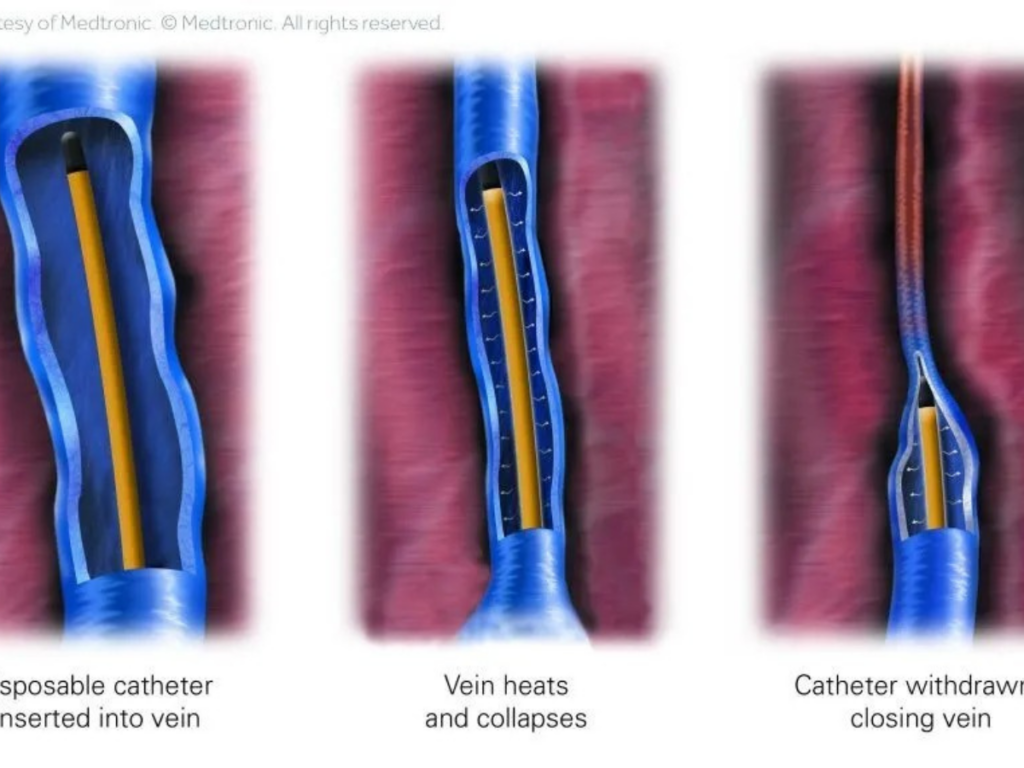
During radio frequency ablation, a specialist inserts a thin catheter into the affected vein using ultrasound guidance. The catheter delivers controlled heat energy to the vein wall, causing it to collapse and seal shut.
Once the unhealthy vein closes, blood naturally reroutes through nearby healthier veins. Over time, the treated vein is absorbed by the body.
How RFA Differs From Traditional Vein Surgery
Traditional vein stripping surgery required larger incisions, general anesthesia, and extended recovery periods. Patients often experienced more pain and bruising after surgery.
Radio frequency ablation offers a less invasive alternative. Instead of removing the vein surgically, RFA closes the vein internally using heat energy. Most patients can return to normal activities quickly after treatment.
Why It Is Minimally Invasive
RFA is considered minimally invasive because it only requires a small needle insertion rather than large surgical incisions. The procedure is typically performed using local anesthesia in an outpatient setting.
This approach helps reduce discomfort, scarring, and recovery time while still delivering effective symptom relief.
How Radio Frequency Ablation Treats CVI
The goal of radio frequency ablation vein treatment is to eliminate abnormal blood flow caused by damaged veins and restore healthier circulation throughout the legs.
How Heat Energy Closes Diseased Veins
The catheter used during RFA emits carefully controlled heat energy inside the vein. This heat causes the vein walls to shrink and seal shut. Once closed, blood can no longer collect inside the damaged vein.
Because the body no longer relies on the diseased vein for circulation, pressure inside the leg decreases significantly.
Blood Rerouting to Healthy Veins
After the unhealthy vein closes, blood automatically reroutes through nearby healthy veins with properly functioning valves. These veins are better able to return blood efficiently to the heart.
This improved circulation helps reduce many common CVI symptoms, including swelling, heaviness, and discomfort.
Symptom Relief Mechanism Explained
As circulation improves, pressure inside the veins decreases. Reduced pressure often leads to noticeable symptom relief, including:
- Less swelling in the legs and ankles
- Reduced aching or throbbing pain
- Decreased leg fatigue
- Improved mobility and comfort
- Reduced the appearance of bulging veins
Many patients experience significant improvement within weeks following treatment.
Learn whether radiofrequency ablation is right for your vein condition. Schedule a consultation today.
Step-by-Step RFA Procedure
Understanding the treatment process can help patients feel more comfortable before undergoing the procedure.
Pre-Procedure Evaluation
Before treatment, a vein specialist performs a detailed evaluation to confirm the diagnosis of CVI. This usually includes a physical examination and a venous ultrasound to assess blood flow and identify damaged veins.
The ultrasound helps determine which veins require treatment and ensures the procedure is planned accurately.
During the Procedure
The RFA procedure is usually completed in less than an hour. After numbing the treatment area with local anesthesia, the specialist inserts the catheter into the affected vein.
Ultrasound imaging guides the catheter into position. Controlled radio frequency energy is then delivered along the length of the vein to seal it closed.
Patients typically remain awake during the procedure and experience minimal discomfort.
Recovery Process
Recovery after RFA is generally quick and straightforward. Most patients are encouraged to walk immediately after treatment to support healthy circulation.
Compression stockings may be recommended temporarily to reduce swelling and aid healing. Many individuals return to work and regular activities within a day or two.
Mild bruising or tenderness can occur but usually resolves quickly.
Benefits of Radio Frequency Ablation for Veins
Radio frequency ablation has become a preferred treatment option because it offers several advantages compared to older surgical methods.
Reduced Pain and Swelling
Because RFA improves circulation and reduces venous pressure, patients often experience noticeable relief from pain, heaviness, and swelling in the legs.
The minimally invasive nature of the procedure also means less post-treatment discomfort compared to surgery.
Quick Recovery Time
Most individuals can resume normal daily activities shortly after treatment. Unlike traditional surgery, RFA typically does not require lengthy downtime or hospitalization.
This makes it an appealing option for busy adults seeking effective treatment with minimal disruption.
High Success Rate
Radio frequency ablation has demonstrated strong long-term success in treating vein insufficiency. Many patients experience lasting symptom relief and improved circulation after treatment.
When combined with ongoing vein care and healthy lifestyle habits, RFA can help maintain vein health over time.
Improved Appearance of Veins
Closing damaged veins often reduces the appearance of bulging or twisted varicose veins. Many patients appreciate both the medical and cosmetic improvements that follow treatment.
Who Is a Good Candidate for RFA?
Not every patient with vein symptoms requires radio frequency ablation, but many individuals with CVI may benefit from the procedure.
Symptoms That Indicate Eligibility
Patients experiencing the following symptoms may be candidates for RFA:
- Leg swelling
- Aching or heaviness
- Varicose veins
- Leg fatigue
- Skin discoloration
- Night cramps
- Burning or throbbing sensations
A venous ultrasound helps determine whether venous reflux is contributing to these symptoms.
When RFA May Not Be Recommended
In some situations, RFA may not be the best treatment option. Patients with certain vein anatomies, active infections, or severe blood-clotting disorders may require alternative treatments.
A consultation with a vascular specialist can help determine the safest and most effective treatment approach.
Risks and Safety Considerations
Radio frequency ablation is generally considered a safe procedure when performed by experienced specialists.
Possible Mild Side Effects
Most side effects are temporary and mild. These may include:
- Minor bruising
- Tenderness
- Swelling
- Temporary numbness
- Mild skin discoloration
Serious complications are uncommon but can occur in rare cases.
Safety Profile of the Procedure
RFA has been widely used for vein treatment and is supported by strong clinical outcomes. Because it is minimally invasive and performed under ultrasound guidance, the procedure offers a favorable safety profile for many patients.
Working with experienced vein specialists helps ensure accurate treatment planning and patient safety.
Radio Frequency Ablation vs Other Vein Treatments
Several treatment options are available for CVI, and understanding the differences can help patients choose the right solution.
Comparison With Surgical Stripping
Vein stripping is a traditional surgical procedure that physically removes diseased veins. Although effective, it usually involves more pain, larger incisions, and longer recovery times.
Radio frequency ablation offers a less invasive alternative with faster healing and less post-procedure discomfort.
Comparison With Laser Ablation
Laser ablation also uses heat to close damaged veins, but it relies on laser technology rather than radio frequency energy.
Both treatments are effective, though some patients report less discomfort with radio frequency ablation due to the controlled heating method.
A vascular specialist can recommend the most appropriate treatment based on individual vein anatomy and symptoms.
When to Seek Treatment for CVI
Many people ignore vein symptoms until they become severe, but early evaluation can help prevent complications.
Warning Signs to Watch For
Signs that may indicate Chronic Venous Insufficiency include:
- Persistent leg swelling
- Aching or heaviness
- Enlarged varicose veins
- Skin changes around the ankles
- Restless legs
- Leg fatigue after standing
These symptoms should not be dismissed as a normal part of aging.
Importance of Early Intervention
Early diagnosis and treatment can improve circulation, reduce symptoms, and lower the risk of complications such as venous ulcers.
Seeking professional evaluation early may also allow patients to benefit from minimally invasive treatment options before the condition worsens.
Patients in Albuquerque, NM who experience ongoing vein symptoms can benefit from a professional vascular evaluation to determine the best course of treatment.
FAQ Section
1. What is radio frequency ablation for veins?
Radio frequency ablation is a minimally invasive procedure that uses heat to close damaged veins and improve blood flow.
2. Is radio frequency ablation painful?
Most patients experience minimal discomfort due to the local anesthesia used during the procedure.
3. How long does recovery take after RFA?
Most people return to normal activities within a few days.
4. Does radio frequency ablation cure CVI permanently?
RFA effectively treats affected veins, but ongoing vein health management may be needed.
5. Are there risks with radio frequency ablation?
Risks are minimal but may include temporary bruising, swelling, or numbness.
Conclusion
Radio frequency ablation veins treatment has transformed the way Chronic Venous Insufficiency is managed by offering a minimally invasive solution that improves circulation, relieves symptoms, and supports faster recovery. By closing damaged veins and redirecting blood flow into healthier pathways, RFA can help patients experience less swelling, reduced discomfort, and improved quality of life.
At Advanced Vascular, patients in Albuquerque can explore advanced vein care solutions tailored to their individual needs. Early evaluation and treatment can significantly improve the management of vein disease and help prevent future circulation-related complications.
Book your vein evaluation today to explore minimally invasive treatment options.
Ready to talk to a vein specialist?
Dr. Banerjee and the Advanced Vascular team treat chronic venous disease, varicose veins, and related conditions every day. Book a consultation to get a clear picture of your circulation and the right plan for your legs.
Symptoms in your legs? Let’s look.
A consultation with Dr. Banerjee includes a duplex ultrasound to check your valves and a plain-English read of what we find. No pressure.
Symptoms in your legs? Let’s look.
A consultation with Dr. Banerjee includes a duplex ultrasound to check your valves and a plain-English read of what we find. No pressure.