What Is CVI? Symptoms of Chronic Venous Issues
What Is CVI? Symptoms of Chronic Venous Issues
Chronic leg discomfort, swelling, or visible veins are more than just minor concerns; they can be signs of an underlying circulation problem. Many people in Albuquerque, NM, search for answers to one important question: what is CVI? Chronic Venous Insufficiency (CVI) is a common yet often overlooked condition that affects how blood flows through the veins, particularly in the legs.
At Advanced Vascular, patients receive guidance and care tailored to the identification and management of vein-related conditions. Understanding CVI is the first step toward recognizing symptoms early and exploring effective treatment options
Understanding Chronic Venous Insufficiency (CVI)
What Does CVI Mean?
Chronic Venous Insufficiency, often shortened to CVI, is a condition in which the veins in the legs struggle to return blood to the heart efficiently. Instead of flowing upward, blood can pool in the veins due to weakened or damaged valves.
Over time, this leads to increased pressure in the veins, causing discomfort and visible changes in the skin and legs.
How Healthy Veins Work vs. CVI
Healthy veins rely on one-way valves that keep blood moving upward toward the heart, even against gravity. Muscles in the legs also assist by pushing blood forward during movement.
With CVI:
- Vein valves become weak or damaged
- Blood flows backward (a condition called reflux)
- Blood pools in the lower legs
- Pressure builds up inside the veins
This disruption can lead to a range of symptoms that worsen if left untreated.
Common Symptoms of CVI
Recognizing symptoms early can help prevent complications. CVI often develops gradually, so early signs may be subtle.
Early Warning Signs
- Mild swelling in the lower legs or ankles
- Aching or heaviness in the legs, especially after standing
- Tingling or a “restless” feeling
- Small visible veins (spider veins)
- Fatigue in the legs
Progressive Symptoms to Watch For
As CVI progresses, symptoms may become more noticeable:
- Persistent swelling that worsens throughout the day
- Varicose veins (large, twisted veins visible under the skin)
- Skin discoloration (brown or reddish patches)
- Itching or irritation around affected areas
- Cramping or throbbing pain
When Symptoms Become Severe
Without treatment, CVI can lead to more serious issues:
- Thickened or hardened skin
- Open sores or ulcers (especially near the ankles)
- Chronic pain and discomfort
- Increased risk of infection
Concerned about these symptoms? Learn more about available treatment solutions and explore options designed to improve vein health.
What Causes Chronic Venous Insufficiency?
CVI doesn’t happen overnight. It develops due to a combination of physical, lifestyle, and medical factors.
Risk Factors
Certain individuals are more likely to develop CVI:
- Age (risk increases over time)
- Family history of vein disease
- Pregnancy
- Obesity
- Prolonged standing or sitting
- Previous blood clots (deep vein thrombosis)
Lifestyle and Medical Triggers
Daily habits and health conditions can contribute to vein problems:
- Sedentary lifestyle
- Lack of regular exercise
- Smoking
- High blood pressure in the veins
- Injury to the legs
Understanding these factors can help individuals take preventive steps before symptoms worsen.
How CVI Is Diagnosed
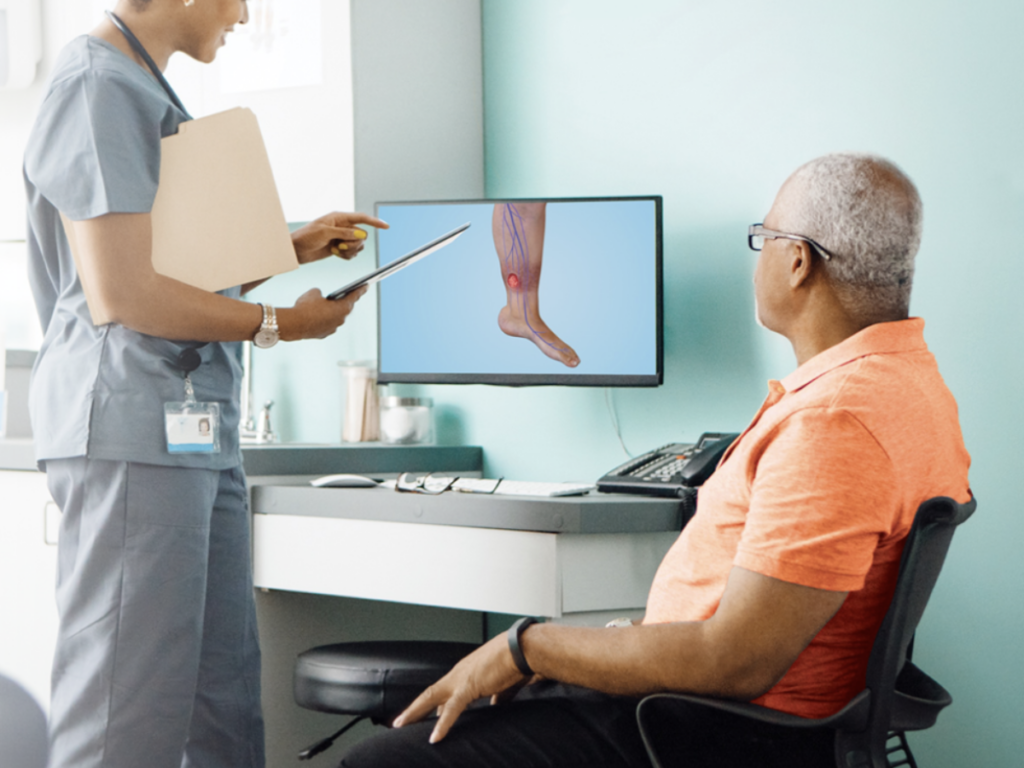
Early diagnosis is key to effective treatment. Medical professionals use a combination of evaluations and imaging to confirm CVI.
Medical Evaluation
A healthcare provider will typically:
- Review medical history
- Discuss symptoms and lifestyle habits
- Examine the legs for visible signs of vein disease
Imaging and Testing
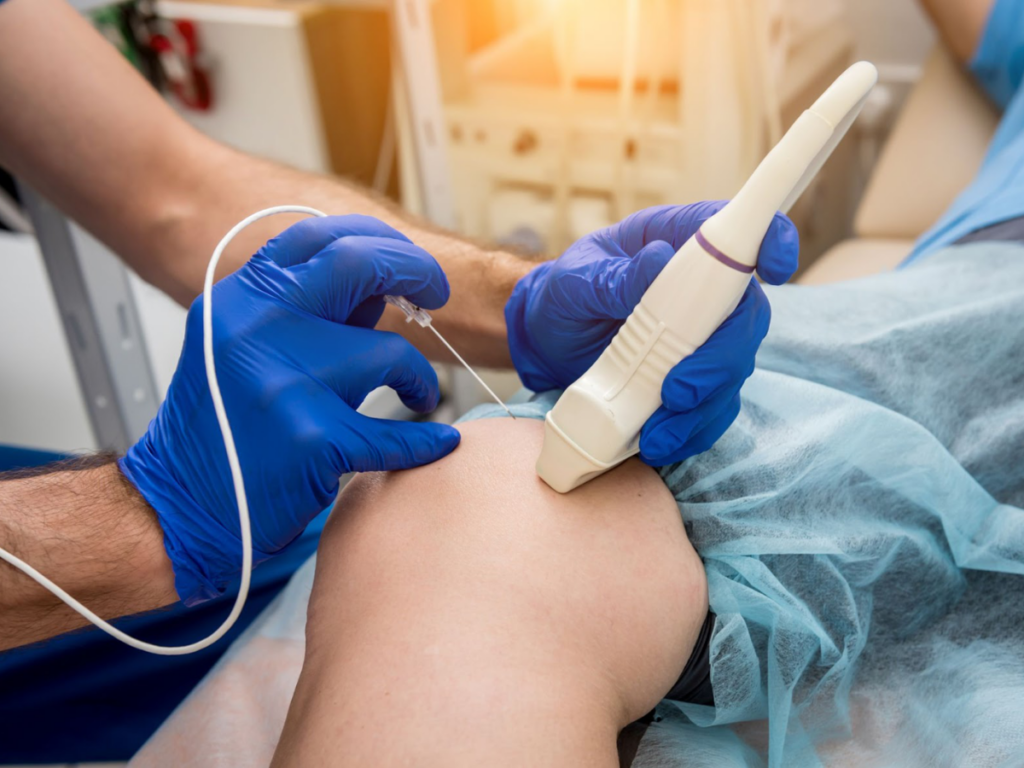
The most common diagnostic tool is an ultrasound, which allows providers to:
- See blood flow in real time
- Detect valve dysfunction
- Identify blockages or clots
This non-invasive test helps determine the severity of the condition and guides treatment planning.
Treatment Options for CVI
CVI is manageable, and many treatment options are available depending on the severity of the condition.
Non-Surgical Treatments
For early-stage CVI, conservative approaches may help:
- Compression stockings to improve blood flow
- Elevating the legs to reduce swelling
- Regular exercise, such as walking
- Weight management
- Avoiding prolonged sitting or standing
Minimally Invasive Procedures
When symptoms persist, modern treatments offer effective relief with minimal downtime:
- Endovenous laser therapy (EVLT)
- Radiofrequency ablation
- Sclerotherapy for smaller veins
- Medical adhesives to close damaged veins
These procedures target problem veins and redirect blood flow to healthier ones.
For a detailed overview of available solutions, visit:
https://advancedvascularnm.com/chronic-venous-insufficiency/
Long-Term Management
Managing CVI is an ongoing process that may include:
- Lifestyle adjustments
- Routine monitoring
- Follow-up treatments if needed
With proper care, most patients experience significant relief from symptoms and improved circulation.
Why Early Treatment Matters
Ignoring CVI symptoms can lead to complications that are more difficult to treat.
Preventing Complications
Early intervention helps reduce the risk of:
- Venous ulcers
- Skin infections
- Permanent vein damage
- Chronic pain
Addressing the issue early can prevent long-term health problems.
Improving Quality of Life
Treatment doesn’t just address medical concerns; it enhances daily living:
- Reduced pain and discomfort
- Improved mobility
- Better sleep
- Increased confidence in appearance
For many, treating CVI leads to both physical and emotional benefits.
When to See a Specialist
Knowing when to seek professional care is crucial. Individuals should consider consulting a specialist if they experience:
- Persistent leg swelling
- Visible varicose veins
- Skin discoloration or irritation
- Leg pain that worsens over time
- Non-healing wounds near the ankles
Early evaluation can lead to faster relief and prevent complications.
Learn More About CVI Treatment Options
Understanding what is CVI is the first step toward taking control of vein health. With the right diagnosis and treatment plan, individuals can manage symptoms effectively and improve their overall well-being.
Those experiencing signs of vein disease in Albuquerque, NM can explore personalized care options and advanced treatments by visiting the main CVI service page:
https://advancedvascularnm.com/chronic-venous-insufficiency/
FAQ Section
What is CVI?
A condition where veins struggle to return blood from the legs to the heart, leading to pooling of blood.
What are the first signs of chronic venous insufficiency?
Mild swelling, leg heaviness, aching, and visible veins.
Is CVI a serious condition?
Yes, if untreated, it can lead to skin changes, ulcers, and chronic discomfort.
What causes CVI?
Damaged vein valves, prolonged standing, age, and genetics.
Can CVI be treated?
Yes, through lifestyle changes, compression therapy, and minimally invasive procedures.
When should someone see a doctor for CVI symptoms?
When symptoms persist, worsen, or affect daily activities.
Conclusion
Chronic Venous Insufficiency is a manageable condition when identified early. Recognizing chronic venous insufficiency symptoms, understanding causes, and exploring treatment options can make a significant difference in long-term health. Whether dealing with mild discomfort or more advanced symptoms, seeking professional care from Advanced Vascular provides clarity and effective solutions for vein circulation problems, especially for individuals in Albuquerque, NM.
Ready to take the next step? Schedule a consultation today and explore expert-backed solutions for healthier veins and improved comfort.
In the end, staying informed about vein health and recognizing early signs can help individuals avoid complications and better understand related vascular conditions.
Ready to talk to a vein specialist?
Dr. Banerjee and the Advanced Vascular team treat chronic venous disease, varicose veins, and related conditions every day. Book a consultation to get a clear picture of your circulation and the right plan for your legs.
Symptoms in your legs? Let’s look.
A consultation with Dr. Banerjee includes a duplex ultrasound to check your valves and a plain-English read of what we find. No pressure.
Symptoms in your legs? Let’s look.
A consultation with Dr. Banerjee includes a duplex ultrasound to check your valves and a plain-English read of what we find. No pressure.